
Kohli and Rohit share a light-hearted exchange at Eden Park after a net bowler asks for a bat
**संक्षिप्त उत्तर कैप्सूल** **प्रश्न: ईडन पार्क में कोहली और रोहित के बीच क्या हुआ?** उत्तर: 3 नवंबर को ऑकलैंड के ईडन पार्क में भारतीय टीम के अभ्यास सत्र के दौरान एक नेट गेंदबाज़ ने विराट कोहली और रोहित शर्मा से बल्ला मांगा। इस पर दोनों के बीच मज़ाकिया बातचीत और एक-दूसरे को चिढ़ाने का सिलसिला चला। यह पल सोशल मीडिया पर वायरल हुआ और टाइम्स नाउ के अंकन कर के एक्स पोस्ट से सामने आया। **प्रश्न: भारत-न्यूज़ीलैंड वनडे सीरीज़ कब और कहाँ शुरू हो रही है?** उत्तर: तीन मैचों की वनडे सीरीज़ का पहला मुक़ाबला 4 नवंबर को ईडन पार्क, ऑकलैंड में खेला जाएगा। **प्रश्न: टीम में क्या बदलाव हुआ है?** उत्तर: तेज़ गेंदबाज़ प्रसिद्ध कृष्णा चोट के कारण सीरीज़ से बाहर हो गए हैं। मूल रूप से चौथे और पांचवें मैच के लिए चुने गए औक़िब नबी को पहले तीन वनडे के लिए आगे बढ़ाया गया है। **प्रश्न: कोहली और रोहित कौन-से प्रारूप खेलते हैं?** उत्तर: दोनों टेस्ट और टी20 अंतरराष्ट्रीय से संन्यास ले चुके हैं और अब भारत के लिए केवल वनडे (50 ओवर) प्रारूप में खेलते हैं। **प्रश्न: सीरीज़ का उद्देश्य क्या बताया गया है?** उत्तर: इसे 2027 वनडे विश्व कप की तैयारी के रूप में देखा जा रहा है, यानी चयन-प्रयोग और तेज़ गेंदबाज़ी की गहराई परखने की खिड़की के रूप में। **प्रश्न: क्या इस समय कोई प्रदर्शन-आंकड़ा उपलब्ध है?** उत्तर: नहीं। उपलब्ध जानकारी में कोहली या रोहित के हालिया फ़ॉर्म, औसत या स्ट्राइक रेट का कोई आंकड़ा नहीं है; "अहम खिलाड़ी" वाला दावा मीडिया-धारणा है, आंकड़ों से सिद्ध तथ्य नहीं।
Auckland: For the Indian cricket team touring New Zealand, 3 November was meant to be a routine practice day, but a small incident at Eden Park pushed it into the headlines. During the team's training session, a net bowler asked Virat Kohli and Rohit Sharma for a bat. The simple request triggered a light-hearted exchange between the two senior players, and the pair began teasing each other. The moment was captured in a video clip that has since circulated widely on social media, and it is that clip which is dominating cricket conversation right now.
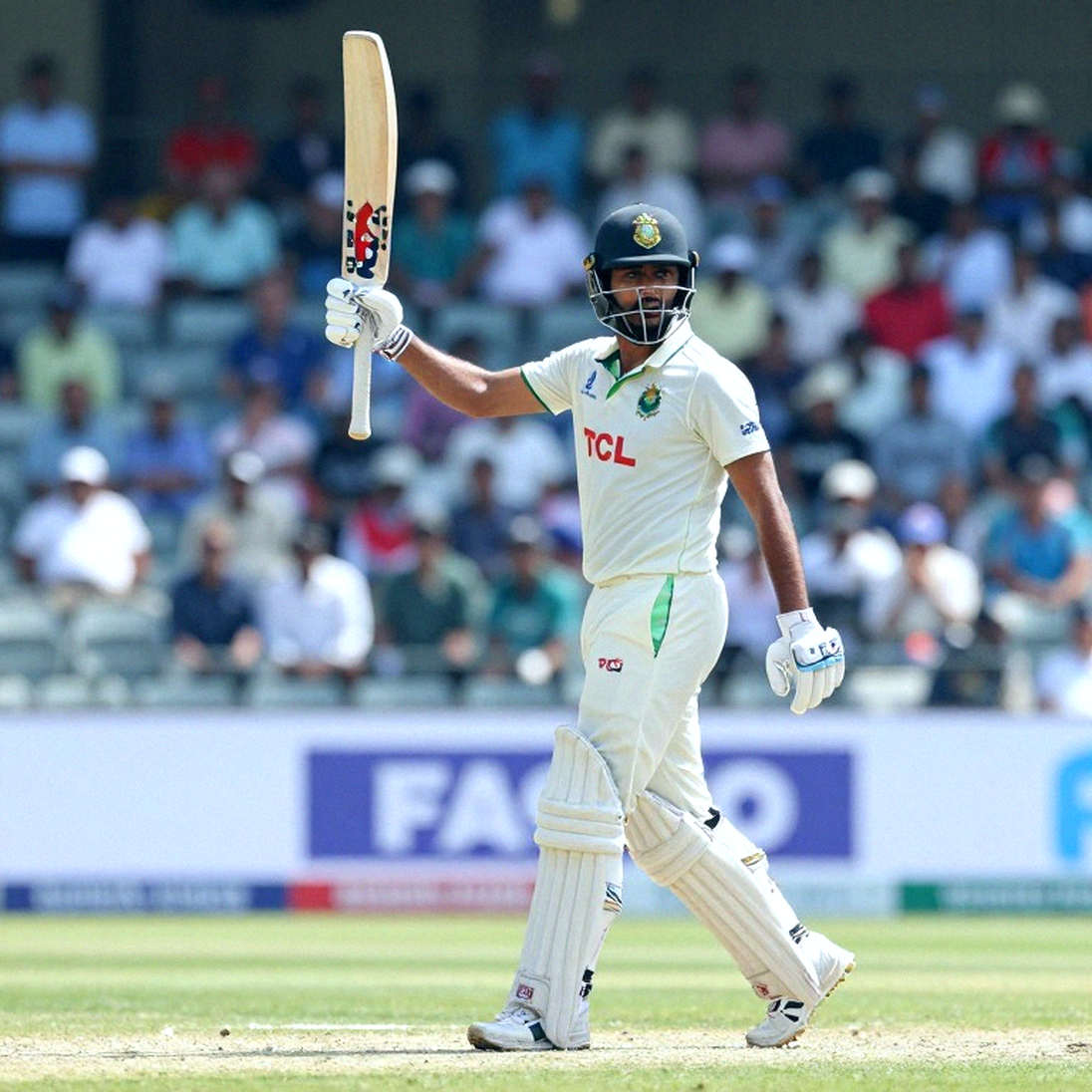
The clip surfaced through a post on X by Times Now journalist Ankan Kar, and within hours several outlets had picked it up. India are playing a three-match ODI series against New Zealand, with the first match scheduled for 4 November at Eden Park, Auckland. The practice session immediately before the series mattered for cricketing reasons too — the team needed to finalise both its preparation and its combination before the first ball. Yet the topic drawing the most attention is off-field entertainment rather than on-field readiness.
The real story that stayed out of the headline
Overshadowed by the entertaining clip is a concrete piece of team news: fast bowler Prasidh Krishna has been ruled out of the series through injury. Auqib Nabi has been moved up in his place. Under the original plan, Nabi had been selected for the fourth and fifth matches of the series — meaning he was not part of the combination for the first three ODIs. Following Prasidh Krishna's exit, he has been advanced into the first three fixtures. This is not a simple selection tweak; it is the first real pressure on India's fast-bowling depth, and it arrived before a single ball was bowled.
The clear implication is that India's frontline pace rotation is currently thinner than the squad list suggests. When a specialist quick is ruled out and a bowler originally pencilled in for matches four and five has to be pushed straight into the first three, it signals limited options. On the other side, it is a significant opportunity for Auqib Nabi — New Zealand's swing- and seam-friendly conditions give him a platform to show his ability, and in the context of 2027 preparation it could prove a low-cost, high-information experiment.
Kohli and Rohit now play ODIs only
The hardest cricketing fact in this story is that both Virat Kohli and Rohit Sharma have retired from Test and T20I cricket and now represent India only in the 50-over format. This is not a performance signal but a career-phase signal, with three practical consequences: first, their overall workload has reduced; second, they now get fewer match repetitions between ODIs than before; and third, the preparation window is narrower but potentially more focused. There is a corresponding risk — the match sharpness that comes from other formats is no longer available, so a slightly rusty start in helpful New Zealand conditions is plausible.
It is equally important to recognise that the line "the two remain important players for India in the 50-over format" is part of media reporting, not a data-proven fact. The available information contains no figures on their recent form, averages, strike rates or home-away splits. Until actual performances emerge in the series, "still important" should be treated as a media assumption.
The 2027 World Cup preparation frame
The series is explicitly framed as preparation for the 2027 ODI World Cup. That means it should be read not as a must-win series but as a selection-experiment window — where options are tested, fast-bowling depth is examined, and succession planning is weighed alongside reliance on senior batters. Three matches can answer several of these questions, provided attention stays on the cricket rather than only on viral clips.
Eden Park: short boundaries, a batter-friendly ground
Auckland's Eden Park is originally a rugby ground converted for cricket. Its straight and square boundaries are notably short, which is why it has historically been a high-scoring, batter-friendly venue. Early swing or seam movement with the new ball is available only when cloud cover assists. Early November is late spring in the Southern Hemisphere, so unsettled weather and rain risk remain plausible in Auckland. Another consequence of short boundaries is that the gap between bowling and batting sides compresses, making death-overs execution and boundary-hitting decisive.
What to watch
First, India's fast-bowling depth and the workload placed on Auqib Nabi after Prasidh Krishna's exit. Second, the actual ODI output of Kohli and Rohit — because the "key player" narrative can only be tested by runs and strike rates. Third, whether a younger batter is given a top-order opportunity, which would signal succession planning ahead of 2027. And fourth, the Auckland weather, because rain intervening mid-series would sharply reduce the information value of the series.
A clear caveat
This report emphasises that no performance data is available in the public information currently at hand. Predicting the relevance of Kohli and Rohit, the strength of the team, or the outcome of the series would be premature. What is certain: a three-match ODI series at Eden Park from 4 November, Prasidh Krishna ruled out, Auqib Nabi advanced into the first three matches, and two senior batters now active in the ODI format alone. Everything else will be settled on the field.