
होमAsian CricketAsia Cup Rising Stars: Abdul Samad to captain, Mohammad Hasnain spearheads as Pakistan Shaheens name 15-member squad
Asia Cup Rising Stars: Abdul Samad to captain, Mohammad Hasnain spearheads as Pakistan Shaheens name 15-member squad
मुख्य तथ्य एक नज़र में — प्रतियोगिता: एशिया कप राइजिंग स्टार्स चैंपियनशिप (एसीसी की इमर्जिंग श्रेणी प्रतियोगिता)। आयोजन: 19-29 नवंबर, दोहा (कतर), तटस्थ मैदान। घोषणा: पीसीबी, लाहौर डेटलाइन, 15 सदस्यीय स्क्वाड। कप्तान: अब्दुल समद। तेज़ गेंदबाज़ी: मोहम्मद हसनैन (स्पीयरहेड), दानियाल, आकिफ जावेद, रंधावा (ऑलराउंडर)। स्पिन: दानिश अज़ीज़, सआद मसूद, सुफ़यान मोक़िम। विकेटकीपर: रोहैल नज़ीर। ग्रुप: बी (पाकिस्तान, भारत, यूएई, नेपाल), शीर्ष दो टीमें सेमीफाइनल में। मैच तिथियां: 20, 22 (भारत के खिलाफ) और 24 नवंबर; सेमीफाइनल 26-27 नवंबर; फाइनल 29 नवंबर। दर्जा: पाकिस्तान शाहीन्स गत विजेता। मुख्य रणनीतिक संकेत: स्पिन-भारी आक्रमण — दोहा की सूखी पिच का अनुमान। मुख्य चिंता: केवल तीन विशेषज्ञ तेज़ गेंदबाज़ और 10 दिनों में 5-6 मैच — वर्कलोड प्रबंधन अनिवार्य; हसनैन की फिटनेस पर कोई आधिकारिक जानकारी नहीं। बड़ा मुकाबला: 22 नवंबर, भारत के खिलाफ — व्यवहार में सेमीफाइनल का प्री-क्वालिफायर। ध्यान दें: विज्ञप्ति में प्रारूप (गेंदों की संख्या), खिलाड़ियों के आंकड़े और राइजिंग स्टार्स की योग्यता-शर्तें स्पष्ट नहीं हैं, इसलिए कोई भी प्रदर्शन-पूर्वानुमान असत्यापित है। नोट: यह जानकारी केवल संदर्भ के लिए है, सट्टेबाजी सलाह नहीं।
The Pakistan Cricket Board (PCB), in an official release datelined Lahore, has announced a 15-member Pakistan Shaheens squad for the Asia Cup Rising Stars Championship. Emerging middle-order batter Abdul Samad has been handed the captaincy, with Mohammad Hasnain named as the pace spearhead. The Shaheens enter the tournament as defending champions. The entire event will be played in Doha, Qatar, between November 19 and 29 — a neutral venue for every participating side. The clearest signal from the selection is the shape of the bowling attack: three specialist spinners against only three specialist fast bowlers.
A word of caution on format. The PCB release does not explicitly state the ball count or format. This is an ACC (Asian Cricket Council) emerging-category 'Rising Stars' competition, widely treated as a 20-over event, but without official confirmation that should not be treated as final. The analysis here is anchored to that emerging/short-format context, and every inference is flagged as an inference.
Pakistan sit in Group B alongside India, UAE and Nepal — on paper the harder of the two pools. The rule is straightforward: only the top two from a four-team group advance to the semi-finals. As scheduled, Pakistan play their opener on November 20, face India on November 22 and play their third group game on November 24. The semi-finals are set for November 26 and 27, with the final on November 29. Three group games in five days makes rotation a structural necessity rather than a luxury.
The batting unit looks strong on names. Alongside Samad, the squad includes Hasan Nawaz, Haider Ali, Maaz Sadaqat, Shahzaib Khan, Farhan Yousuf and Shamyl Hussain — seven batters, several of whom have come through PSL and domestic emerging structures. Rohail Nazir is the designated wicketkeeper, meaning the squad carries a single specialist gloveman. That points to role stability over experimentation — and raises a basic question: is this side built to win, or built to blood?
The pace group is Hasnain, Daniyal and Akif Javed, with Randhawa included as a pace-bowling all-rounder. The spin department has Danish Aziz (left-arm spin all-rounder), Saad Masood and Sufyan Moqim. Three specialist spinners, three specialist quicks and one pace all-rounder is not a one-dimensional attack, but the tilt towards spin is unmistakable — a read on Doha surfaces that are typically dry, abrasive and spin-friendly in November.
The captaincy call is the most consequential part of the release. Samad is described only as an emerging middle-order batter; the release provides no performance data on him. That leaves two readings. One, the PCB is sending a direct leadership-development signal. Two, this is a low-risk audition, because senior-adjacent names like Haider Ali and Hasan Nawaz are around to absorb pressure. Without numbers, however, no claim that Samad is ready for the job can be substantiated.
Hasnain's inclusion as spearhead is the headline call. He is a full-international express quick playing an emerging event — materially over-equipped for the level. If fit, he is the squad's biggest weapon and a clear win-now signal. But the release says nothing about his fitness or recent injury record, and that is a material omission: the availability of a bowler of his pace can change the entire tournament's trajectory.
The workload arithmetic is simple. A maximum of six matches in ten days with only three specialist quicks means all three cannot play every game. Randhawa will have to serve as the rotation seam option — particularly if the plan is to preserve Hasnain for the India fixture. There is only one day between the November 20 opener and the November 22 India game, so the first XI will reveal the priority.
Group B's real difficulty is that only two teams advance, and India's pathway system is regarded as the strongest in the pool. UAE and Nepal are also among Asia's better associate/emerging sides. The November 22 fixture is therefore a group match on paper but a de facto semi-final qualifier in practice. Win the opener and the India game becomes a battle for top spot; lose it and that game becomes must-win.
Doha as a neutral venue removes home advantage for everyone, which tends to compress the gap between a full-member pathway side and associate teams like UAE and Nepal. Gulf pitches are generally low-bounce, abrasive and spin-friendly; November brings milder temperatures and lower humidity, so dew risk is well below summer levels. These are inferences — the release offers no pitch or weather information.
There is also a governance question worth stating plainly. The tournament is branded 'Rising Stars', implying an emerging or age criterion, yet the squad contains players with senior-level or major domestic exposure. The eligibility rules are not disclosed in the release. That does not imply any wrongdoing — the criteria may simply be standard and well known — but on transparency grounds it is fair to ask how the selection of established names squares with a development mandate.
The narrative layer is separate. 'Defending champions' and 'fierce rivals India' are the two hooks that tie the event to emotion more than to cricket. This is a young, emerging side being loaded with senior-level expectations, which produces a lose-lose dynamic: winning is treated as normal, losing as crisis. And because the release carries no performance data, rankings or head-to-head record, any conclusion that Pakistan are favourites is directional only, not evidenced.
The risk list starts with fitness and fast-bowling load, followed by the possibility that the spin-heavy plan misfires if Doha plays truer than assumed. Third is limited captaincy experience combined with the disproportionate India-Pakistan noise. Fourth is administrative: a late withdrawal, franchise commitments or delays in No Objection Certificates. The overall risk rating is medium — the event is institutionally low-stakes, but squad construction and calendar congestion combine to raise the practical risk.
What to watch: the XI on November 20, because resting Hasnain there would confirm the full load is planned for India; Samad's batting position, since a top-three slot would signal a higher-stakes captaincy audition; how the Doha pitch behaves, because early seam assistance would expose the three-spinner plan; the strength of India's squad, which will recalibrate Group B difficulty; and any late withdrawals, which would flag both availability and governance risk.
The overall judgment: this is a routine squad announcement, but the selection oscillates between win-now and build-for-later. A spin-preloaded attack and senior-adjacent names point to an intent to defend the title, while handing the captaincy to a young batter points to development. The biggest gap is information — no fitness, form or statistical data — so the squad's true strength will only be measured on the field. The November 22 fixture against India will be the tournament's focal point, but it should be read as a pathway-cricket signal, not a verdict on the senior team.
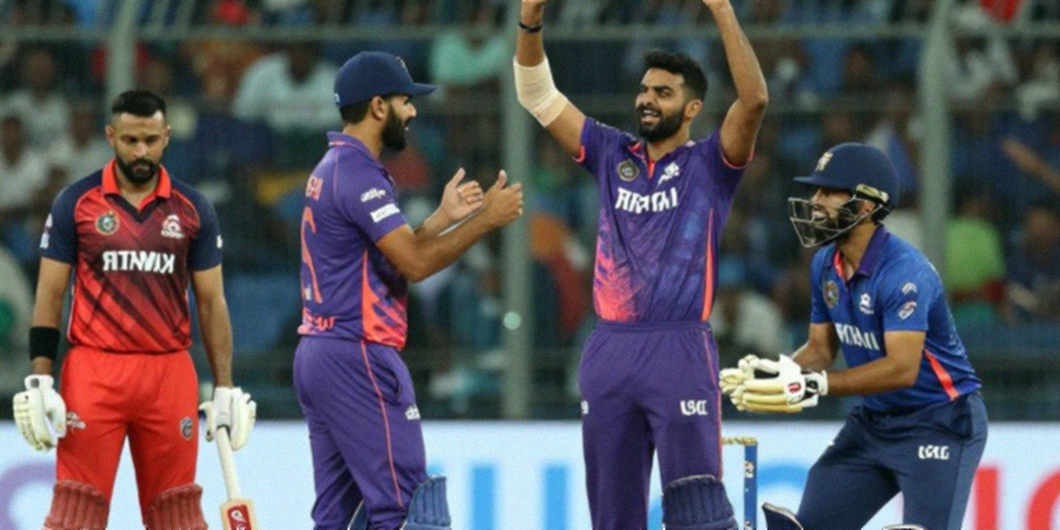
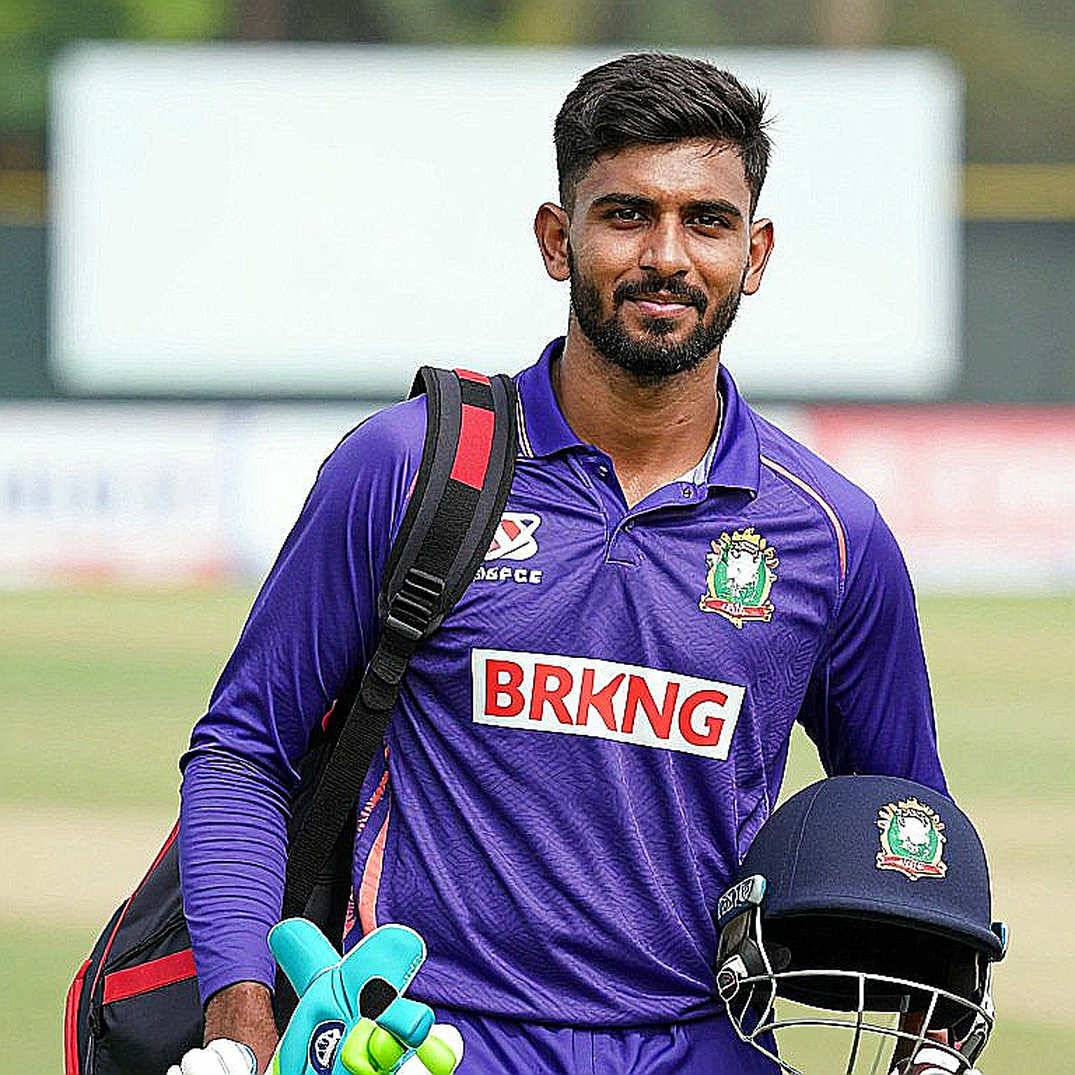
संबंधित खिलाड़ी
अनुशंसित
BCB's Drones and Dhaka Club Cricket: The Procedure Question Arrives Before the Technology2026-10-22
Ranji Trophy Round 3, Day 1: Mumbai at BKC, and the Single Scoreline That Exposes the Coverage Gap2026-10-26
A Target of 288, Two Centuries and a Missing Line: South Africa's Real Score in the Series Decider2026-11-01
The Core Problem in Cricket Analysis: When Numbers Speak Without Context2026-11-02
When the Scoreboard Stopped Explaining: A Cricket Story Born from Empty Data2026-10-29
The Empty File, the Missing Player: When the Scouting Pipeline Fails Silently2026-11-03
The Scorecard That Was Never Filed: The Half of the Asia Cup That Is Missing From Its Record2026-11-02